In today’s fast-paced, technology-driven world, the demand for cables that can offer flexibility, reliability, and efficiency has never been higher. One such cable type that is gaining popularity in a wide array of applications is the flexible control cable. Whether used in industrial automation, machinery, or complex electrical systems, these specialized cables play a vital role in ensuring the smooth operation of equipment and systems.
In this article, we will explore what this cable is, its key features, applications, and the benefits it offers. Understanding the importance of such cables can help businesses and individuals make informed decisions when choosing the right option for their projects.
What is a Flexible Control Cable?
This type of electrical cable is designed to transmit signals or power while offering flexibility and the ability to withstand repeated movements or bending. It is used in a wide variety of applications where regular motion, vibrations, or constant flexing are required. These cables excel in environments where traditional, rigid alternatives would fail due to mechanical stresses.
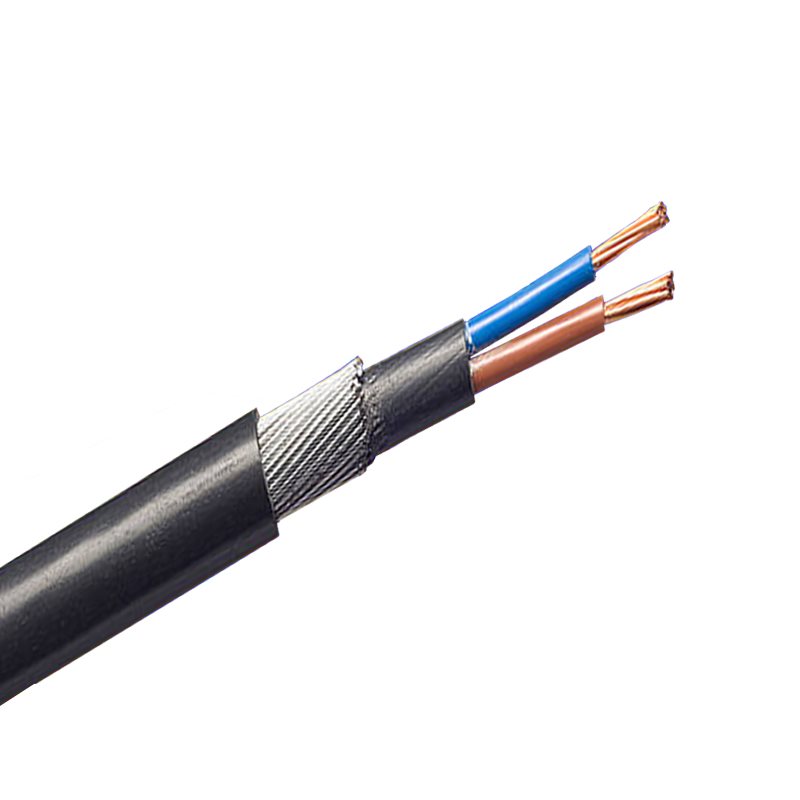
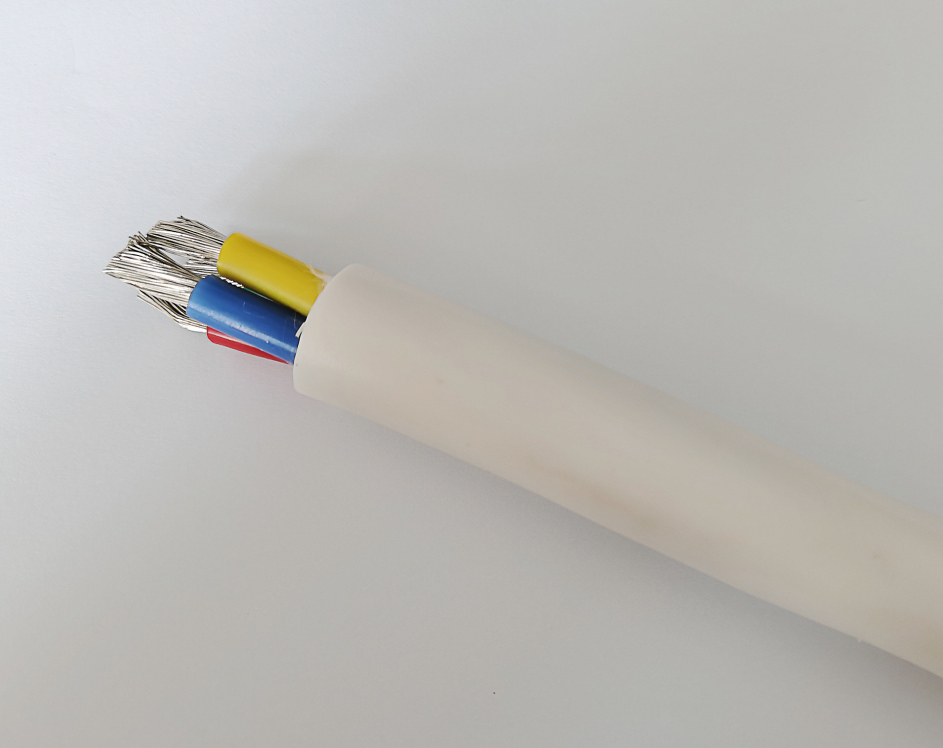
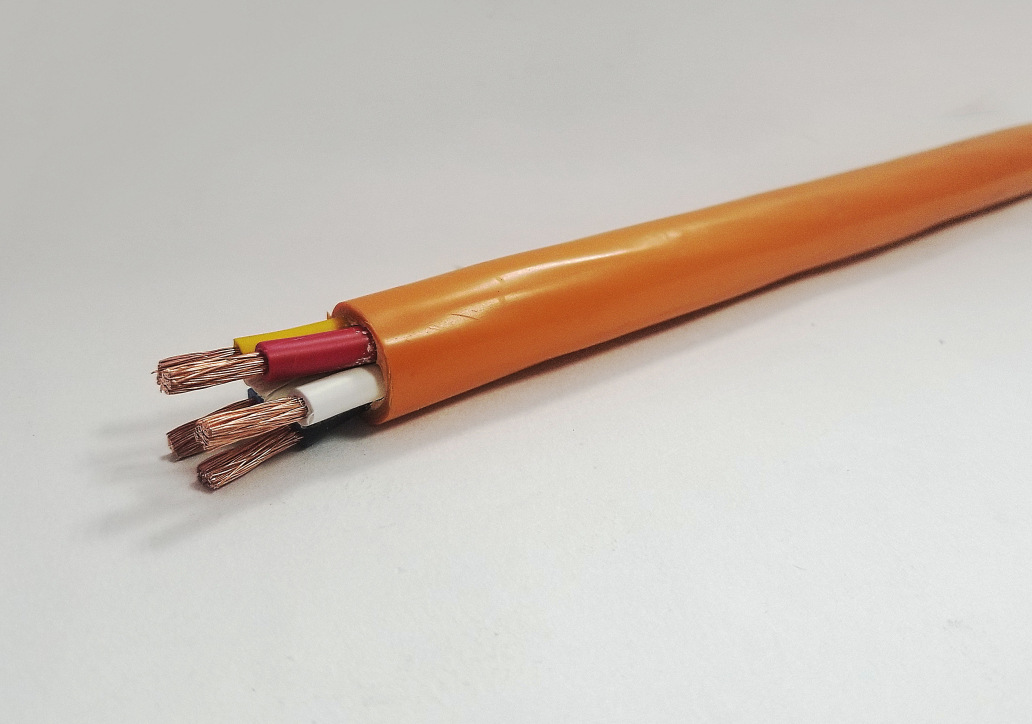
The core of a flexible control cable consists of multiple conductors, often made of copper, that are designed to transmit electrical signals or power. These conductors are surrounded by insulating layers to prevent short circuits and electrical faults. Additionally, these cables usually feature a durable outer sheath made from materials like PVC or rubber, which protects the cable from external factors like moisture, abrasion, and UV exposure.
Unlike standard cables, they are engineered to withstand dynamic motion, making them ideal for use in equipment or systems where flexibility is crucial. The cable’s construction allows it to perform optimally even in environments where constant movement or bending occurs.
Key Features of Flexible Control Cables
There are several distinguishing features of flexible control cables that set them apart from other types of cables:
1. Flexibility
The most obvious feature of flexible control cables is their flexibility. Unlike rigid cables, which are designed for stationary applications, they are specifically built to endure continuous movement, twisting, and bending. This flexibility ensures that these cables can be used in robotic arms, conveyor systems, and other machinery that requires regular motion.
2. Durability
They are designed to be highly durable and resistant to wear and tear. The outer sheath is often made of abrasion-resistant materials, which protect the internal conductors from friction, moisture, and chemicals. This durability ensures a longer service life and reduces the need for frequent replacements or repairs.
3. Temperature Resistance
They are built to withstand extreme temperatures. Whether the environment is too hot or too cold, these cables are designed to function reliably in a wide range of temperatures. For example, some cables can operate effectively in temperatures ranging from -40°C to +90°C, making them suitable for both outdoor and indoor use.
4. Electrical Performance
Like most control cables, they are engineered for efficient electrical performance. These cables are designed to carry power or signals without significant signal loss or interference. The conductors are often made of copper, which ensures excellent conductivity, while the insulation material prevents short circuits and ensures safe transmission.
5. Resistance to Environmental Factors
They are often engineered to resist a wide variety of environmental factors, including water, chemicals, oil, and UV radiation. This makes them suitable for use in harsh industrial environments, including factories, mining operations, and outdoor installations.
Applications of Flexible Control Cables
The versatility of flexible control cables makes them essential in many different industries. Here are some common applications:
1. Industrial Automation
In industrial automation, they are used to connect machines and equipment that need to be able to move. These cables are found in automated production lines, robotic arms, and other machinery that require continuous movement. The cables ensure that electrical power and control signals are transmitted reliably between components, allowing machines to function smoothly and efficiently.
2. Conveyor Systems
They are often used in conveyor systems, where the cables must withstand constant bending and flexing. In these systems, cables are used to control motors, sensors, and other components that drive the movement of materials. The flexibility of the cables allows for the uninterrupted transmission of power and control signals, even in high-motion applications.
3. Automotive Industry
In the automotive industry, flexible control cables are used in a variety of applications, such as controlling motors, sensors, and actuators in electric vehicles, robotics, and other automotive components. These cables are ideal for use in environments where the cables may be exposed to vibrations, heat, or other environmental stresses.
4. Robotics
They are widely used in robotics, where they connect sensors, actuators, and other components to transmit power and control signals. Since robots often require a great deal of movement, they can withstand the bending and twisting that occurs during robotic operation.
5. Energy and Power Distribution
In energy generation and distribution systems, they are used to control power flow, monitor systems, and ensure the safe operation of electrical equipment. The flexibility of these cables allows them to be used in rotating or vibrating equipment, such as turbines or generators, without risk of damage.
6. HVAC Systems
They are used in heating, ventilation, and air conditioning (HVAC) systems to connect various components such as thermostats, sensors, and motors. These cables need to be flexible to accommodate the movement of components within the system while maintaining reliable electrical connections.
Benefits of Using Flexible Control Cables
There are several key benefits to using flexible control cables in various applications. Some of the most notable benefits include:
1. Increased System Efficiency
The flexibility and durability of these cables allow for more efficient operation in machinery and automated systems. By ensuring that electrical signals and power are transmitted reliably even in high-motion environments, these cables help increase the overall efficiency of industrial systems.
2. Improved Safety
They are designed with robust insulation materials that prevent electrical faults. This helps improve safety in industrial and commercial systems by reducing the risk of electrical short circuits and other hazards that could result from damaged cables. Furthermore, many cables are designed to be flame-resistant, adding an additional layer of safety.
3. Cost-Effectiveness
While flexible control cables may have a slightly higher upfront cost compared to standard cables, their durability and long service life make them a cost-effective solution in the long run. These cables require less frequent maintenance and replacement, which can result in significant savings over time.
4. Reduced Downtime
With their durability and resistance to wear, they help reduce downtime in systems that rely on constant operation. Since these cables can withstand repeated bending, twisting, and exposure to harsh environmental conditions, equipment downtime due to cable failure is minimized, leading to higher productivity.
Choosing the Right Flexible Control Cable
When selecting a flexible control cable, it is important to consider the following factors:
- Application Requirements: Consider the specific needs of the application, including the level of flexibility, temperature tolerance, and environmental factors (e.g., exposure to water, chemicals, or UV radiation).
- Cable Construction: Look for cables that offer a high level of protection against abrasion and wear, as well as those that have good electrical conductivity.
- Compliance and Standards: Ensure the cable meets the relevant industry standards and certifications for safety and performance.
Conclusion
Flexible control cables are essential components in various industries that require reliable and efficient electrical transmission in dynamic environments. Offering superior flexibility, durability, and resistance to environmental factors, these cables are ideal for applications ranging from industrial automation to robotics and power distribution. By choosing the right flexible control cable for your needs, you can ensure the longevity and reliability of your systems, minimizing downtime and improving overall operational efficiency.