Battery cables are an essential component in many electrical systems, playing a critical role in powering various devices, vehicles, and machinery. From your car’s engine to industrial equipment, battery cables facilitate the transfer of electrical energy between the battery and the electrical components it powers. In this article, we will explore what it is, how it works, its uses, and why choosing the right type is essential for optimal performance.
What is a Battery Cable?
A battery cable is a wire that connects a battery to an electrical device, allowing the flow of electrical energy. It’s typically made of copper or another highly conductive metal, with insulation to protect against short circuits, electrical shocks, and other hazards. Its primary purpose is to transfer electrical power from the battery to the system it supports, ensuring proper operation.
These cables are designed to handle various voltages and currents, depending on the application. They come in different sizes, lengths, and gauges to suit a wide range of systems, from small devices like power tools to larger ones like electric vehicles or industrial machinery.
How Do Battery Cables Work?
Battery cables function by connecting the positive and negative terminals of a battery to the electrical components that require power. When a battery is connected to a circuit, it creates an electrical potential difference (voltage) between the two terminals. The cable acts as the conduit for the electrical current, which flows from the battery to the device or system that needs power.
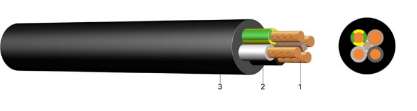
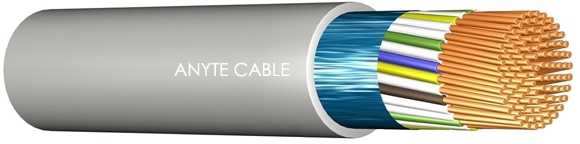
A typical cable consists of two main components: the conductor (usually copper or aluminum) and the insulation (such as rubber or PVC). The conductor allows current to flow freely, while the insulation keeps the current contained within the cable, preventing accidental short circuits or damage.
Key Uses of Battery Cables
- Automotive Applications
One of the most common uses for battery cables is in vehicles. Every car, truck, or motorcycle is powered by a battery that supplies the necessary energy to start the engine and run electrical systems. The cables connect the battery to the engine starter, alternator, and other essential electrical components.
- Starting the Engine: When you turn the key or push the button to start your vehicle, the battery sends electrical power to the starter motor through it. This action engages the engine’s internal systems to begin running.
- Charging the Battery: The cables also play a role in recharging the vehicle’s battery. The alternator, driven by the engine, uses it to send electrical power back to the battery, keeping it charged and ready for use.
- Industrial Machinery
In industrial settings, they are used to power a range of machinery, including forklifts, cranes, and other heavy-duty equipment. These machines often run on large batteries, and battery cables ensure that electrical energy flows from the battery to the motor or control system.
For example, in an electric forklift, they connect the battery to the drive motor, providing the energy needed for movement. Similarly, in manufacturing environments, large machines use them to supply power to motors, control systems, and sensors, ensuring continuous operation.
- Marine Applications
Battery cables are also used extensively in marine applications, where they connect batteries to motors, lights, and other essential equipment on boats and ships. Since marine environments often expose cables to harsh conditions, marine versions are designed with extra insulation and corrosion resistance to prevent damage from water, salt, and environmental factors.
In boats, they connect the boat’s battery to the engine, bilge pumps, lighting, and navigation systems. Given the critical nature of these systems on the water, their reliability is paramount to ensure safety and functionality.
- Solar Energy Systems
They are essential in solar energy systems, especially in off-grid installations or hybrid systems that use batteries to store excess solar power. In these systems, cables connect the solar power storage batteries to the inverter, charge controller, and other components.
For off-grid solar homes, they are responsible for ensuring that the stored solar energy is used to power appliances, lights, and other systems in the home. The cables are also responsible for safely transferring energy between solar panels and batteries to maintain the right charge levels.
- UPS (Uninterruptible Power Supply)
Battery cables are crucial components in uninterruptible power supplies (UPS), which provide backup power to critical equipment during power outages. The UPS system connects to a battery bank, which is charged when the power is on, and the cables transfer energy to the UPS inverter when the main power supply fails. This allows critical devices like computers, servers, and medical equipment to keep running during short-term power interruptions.
- RV and Camping Applications
For recreational vehicles (RVs), they connect the RV’s battery to the electrical systems within, such as lights, appliances, and entertainment systems. In some cases, RVs are equipped with solar panels that charge the battery, and the cables transfer the solar energy into the battery for later use. Properly sized cables are essential for providing enough power to run all systems while keeping the battery charged.
- Electric Vehicles (EVs)
Electric vehicles (EVs) rely heavily on battery cables to transfer electricity from the battery to the motor and other essential components. These cables must handle a significant amount of current due to the high-power requirements of electric motors. Additionally, they are designed for durability and safety, with advanced insulation to protect against overheating, abrasion, and other hazards.
Types of Battery Cables
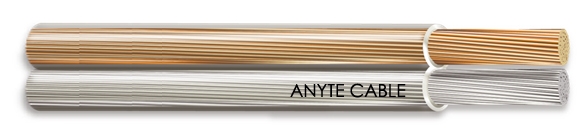
They come in a variety of types, each designed to handle specific applications. Some common types include:
- Heavy-Duty Cables: These are used for high-power applications, such as in automotive or industrial machinery. They are typically made of thicker copper or aluminum wire and have robust insulation to handle higher voltage and current.
- Marine Cables: These are designed with extra resistance to corrosion and water damage. They often feature tinned copper conductors and enhanced insulation to withstand harsh marine environments.
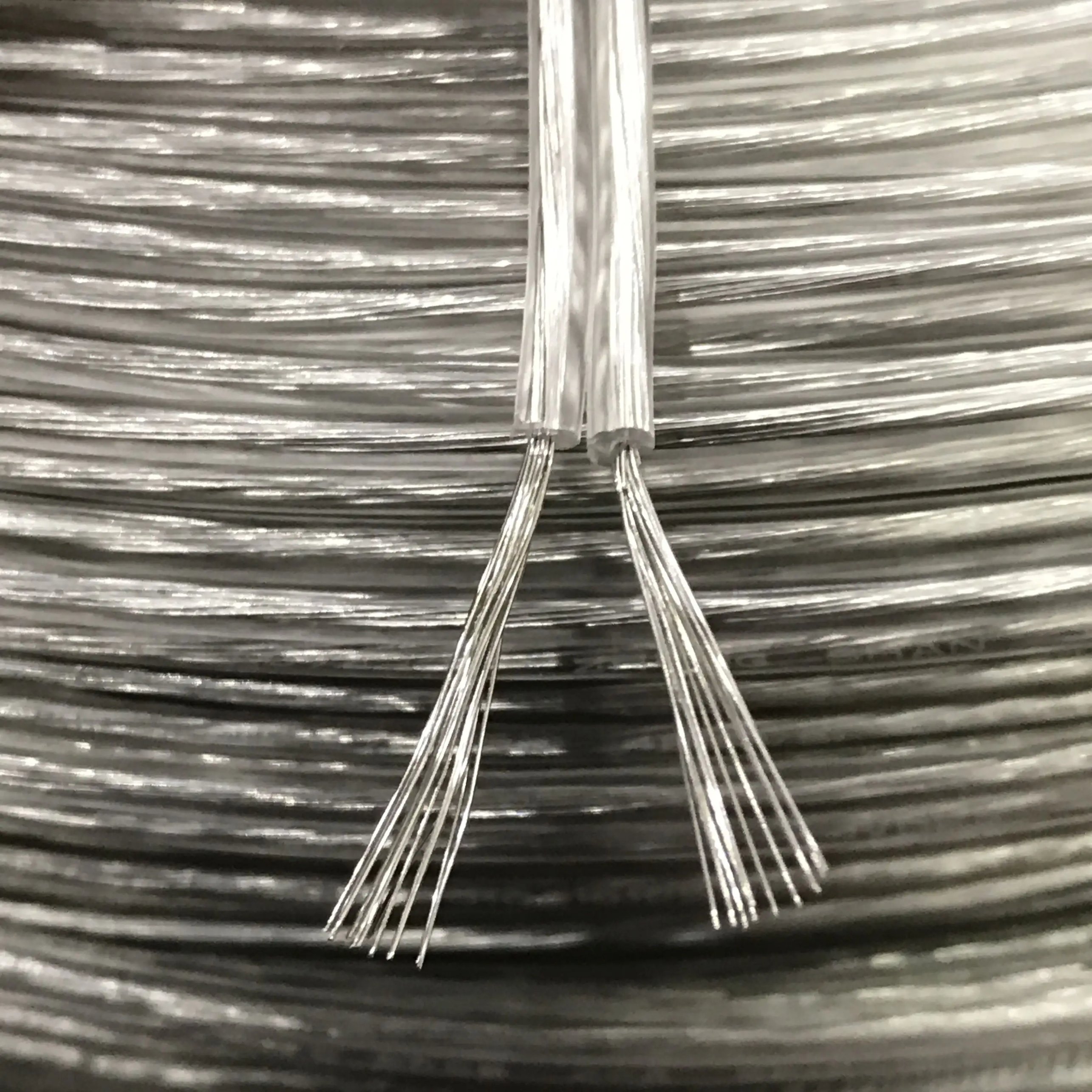
- Flexible Cables: These are used in applications where the cable needs to be bent or routed in tight spaces. They are often made with fine strands of copper to provide flexibility and durability.
- Solar Cables: These cables are specifically designed for use in solar energy systems. They are UV-resistant and can withstand the temperature fluctuations and outdoor conditions common in solar installations.
Choosing the Right Battery Cable
Choosing the right battery cable is crucial for ensuring the safety and efficiency of your electrical system. The cable size, material, and insulation type must all be matched to the specific application to handle the appropriate voltage and current levels.
Factors to consider when selecting a battery cable include:
- Gauge: The thickness of the cable, which affects its ability to carry current. Larger cables (lower gauge numbers) are capable of handling higher currents.
- Material: Copper is the most common material used due to its excellent conductivity, but aluminum is sometimes used for larger cables.
- Insulation: The type of insulation protects the cable from environmental damage and electrical hazards. It should be rated for the conditions in which the cable will be used.
Conclusion
Battery cables play a crucial role in nearly every electrical system, from vehicles to industrial machinery and renewable energy installations. By ensuring the efficient transfer of electrical power, they help these systems function smoothly and reliably. Whether you’re powering a car, an electric vehicle, a solar energy system, or industrial machinery, choosing the right one is essential for safe, efficient, and long-lasting operation.
Understanding the role of these components and selecting the proper type for your application can improve system performance and prevent costly maintenance or safety issues. As electrical systems become more complex and power-hungry, the importance of quality cables will only continue to grow.