Electricity is the most essential utility of our modern world. From homes to large complexes, be it industrial or commercial establishments, getting a good, dependable electrical system equals safety, productivity, and convenience. However, the type of cable playing the role of power transmitter is a mostly neglected aspect. In fact, while standard electrical cables find their way into day-to-day applications without much fuss, there exists an entire range of specialized wires like SAA cables conceived to stricter standards and meant for better performance in demanding environments.
Knowledge of the distinction between SAA-approved power cables and ordinary electrical wires should be known by engineers, contractors, business owners, and homeowners who would be involved in a planned electrical installation. The right cable choice will go a long way in ensuring safety, efficiency, and reliability in the long run.
Why SAA Cables Exist
The SAA mark is a certification by Standards Australia, the national body responsible for standards on electrical safety and performance. Products with the SAA mark have undergone rigorous testing to meet Australian regulations, including such standards as AS/NZS 3000 (the Wiring Rules) and AS/NZS 5000.1. These are among some of the very pertinent standard specifications that outline requirements related to matters as important in respect of cable design as insulation integrity, fire resistance, voltage capacity, and strength in mechanical terms.
SAA power cables are normally made to carry higher electrical loads, support environmental stress, and maintain consistent performance for long periods. They find their application in industrial setups, commercial installations, and high-power residential systems where there is no room for any compromise on reliability and safety.
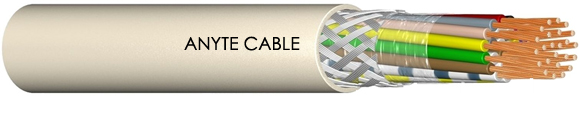
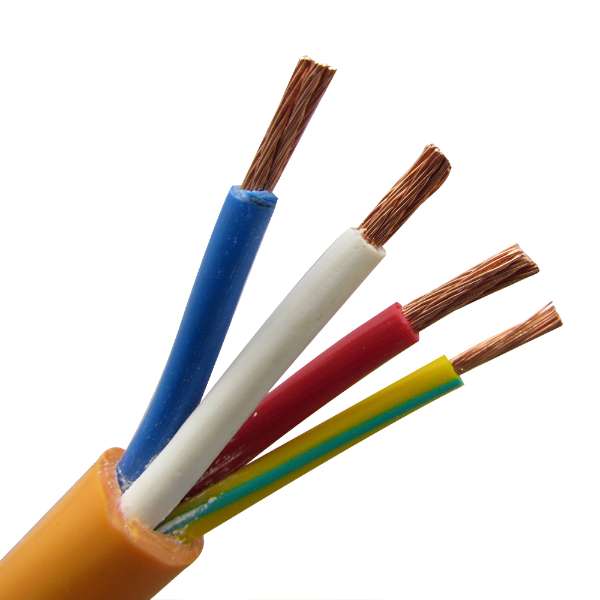
Regular electrical cables are mostly meant for regular use, like the wiring of lights and small appliances or circuits with low demand. They do work well in basic applications, but may not have passed through the rigorous tests and certifications that an SAA power cable has.
Key Features of SAA Power Cables
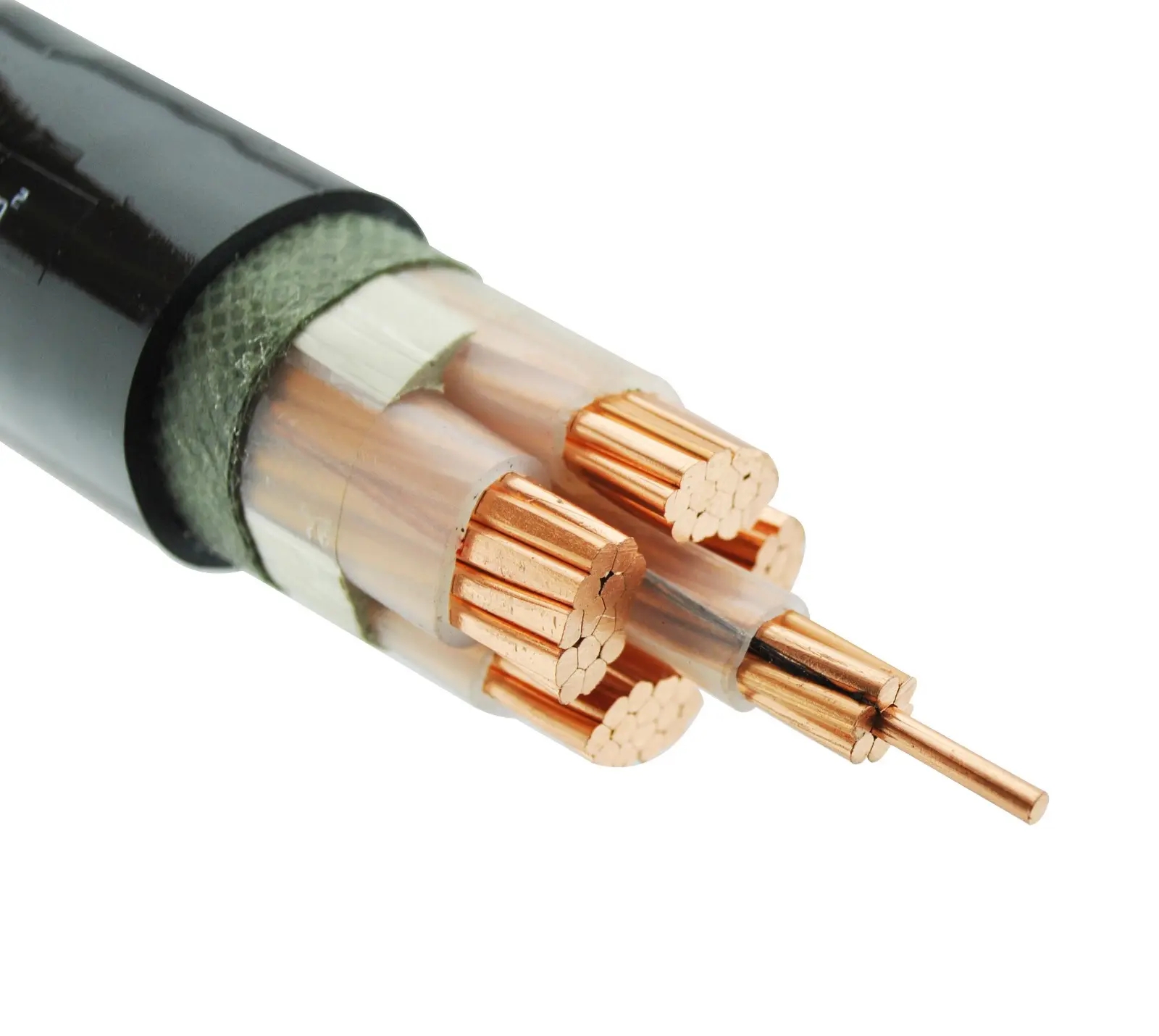
One of the primary reasons SAA power cables stand out is their construction quality and insulation materials. These cables are designed to resist environmental and mechanical challenges that standard electrical cables might not endure.
Durability and insulation performance include:
-
Mechanical Strength: SAA cables are engineered to withstand impacts, bending, and physical stresses during installation or operation. This robustness ensures that the internal conductors remain intact even under challenging conditions, such as industrial machinery setups or construction sites.
-
Abrasion and UV Resistance: The outer sheath of SAA cables is formulated to resist wear and tear. For outdoor installations, UV-resistant coatings prevent the insulation from degrading due to prolonged sun exposure, a factor standard cables often lack.
-
Advanced Insulation Materials (XLPE): Many SAA cables use cross-linked polyethylene (XLPE) insulation, which provides high thermal tolerance, excellent dielectric properties, and resistance to moisture, chemicals, and oils. Unlike conventional PVC insulation, XLPE remains stable under higher temperatures and maintains electrical integrity in harsh environments.
By combining mechanical robustness with advanced insulation materials, SAA cables provide long-term reliability, making them suitable for applications where safety and durability are critical.
Electrical Capacity and Reliability
Another area where SAA cables clearly differ from standard cables is electrical performance. These cables are designed to handle higher voltages and currents safely, reducing the risk of overheating or electrical failure.
Key factors in electrical capacity and reliability include:
-
Voltage and Current Ratings: SAA cables can carry larger currents and operate at higher voltages than standard residential cables. For instance, a 50mm² SAA cable is capable of supporting industrial machinery or high-power residential circuits that standard cables could not safely handle.
-
Thermal Stability: XLPE insulation allows SAA cables to operate continuously at temperatures up to 90°C, with short-term tolerance up to 250°C. This ensures that the cable can withstand transient surges and fluctuating operating conditions without performance degradation.
-
Electrical Insulation Integrity: The advanced dielectric properties of SAA cables prevent current leakage and minimize energy loss. This feature is particularly important in critical applications such as commercial power distribution or sensitive industrial equipment.
-
Environmental Resistance: Beyond electrical performance, SAA cables are built to resist moisture, chemicals, and UV exposure. This ensures reliable operation even in outdoor or industrial settings where standard cables may fail over time.
By focusing on electrical capacity, thermal stability, and environmental resistance, SAA cables ensure consistent and safe power delivery in scenarios where reliability is non-negotiable.
Why Using SAA Cables Matters
Selecting SAA power cables over standard electrical cables is more than a compliance measure; it has practical and safety implications.
Key benefits include:
-
Enhanced Safety: Compliance with Australian standards ensures that the cable can handle high loads, resist fire, and maintain insulation integrity under stress, reducing the risk of electrical accidents.
-
Longevity and Reliability: SAA cables’ robust construction and advanced insulation provide a longer operational lifespan, reducing maintenance and replacement costs over time.
-
Versatility Across Applications: These cables are suitable for industrial, commercial, and high-demand residential settings, providing a single solution for multiple environments.
-
Peace of Mind for Installers and Users: Knowing that a cable has passed stringent testing and carries the SAA mark gives confidence in its performance and compliance with local regulations.
Even though SAA cables may have a higher upfront cost compared to standard electrical cables, the long-term benefits in safety, reliability, and durability make them the preferred choice for critical installations.
Applications of SAA Cables
SAA cables are widely used in settings where performance, safety, and longevity are essential:
-
Industrial Environments: High-power machinery and equipment require cables that can handle sustained loads and resist mechanical and environmental stresses.
-
Commercial Buildings: Offices, shopping centers, and factories benefit from the reliability of SAA cables in power distribution and backup systems.
-
High-Power Residential Installations: Large homes or complexes with substantial electrical demands rely on SAA cables for central heating, air conditioning, or smart home systems.
In contrast, standard electrical cables are generally sufficient only for low-demand circuits such as lighting, small appliances, or general residential wiring. Using standard cables in high-power or industrial applications can increase the risk of overheating, energy loss, and premature failure.
The differences between SAA power cables and standard electrical cables are clear and significant. SAA cables offer:
-
Rigorous certification for safety and performance.
-
Superior insulation and mechanical durability, including XLPE insulation and UV/abrasion resistance.
-
Higher electrical capacity for current and voltage, with excellent thermal stability.
-
Long-term reliability across industrial, commercial, and high-demand residential applications.
Choosing SAA cables is not merely about regulatory compliance. It is a decision that enhances safety, ensures consistent electrical performance, and protects both property and people. For any critical installation, investing in SAA cables is a smart choice that pays dividends in reliability, efficiency, and peace of mind.