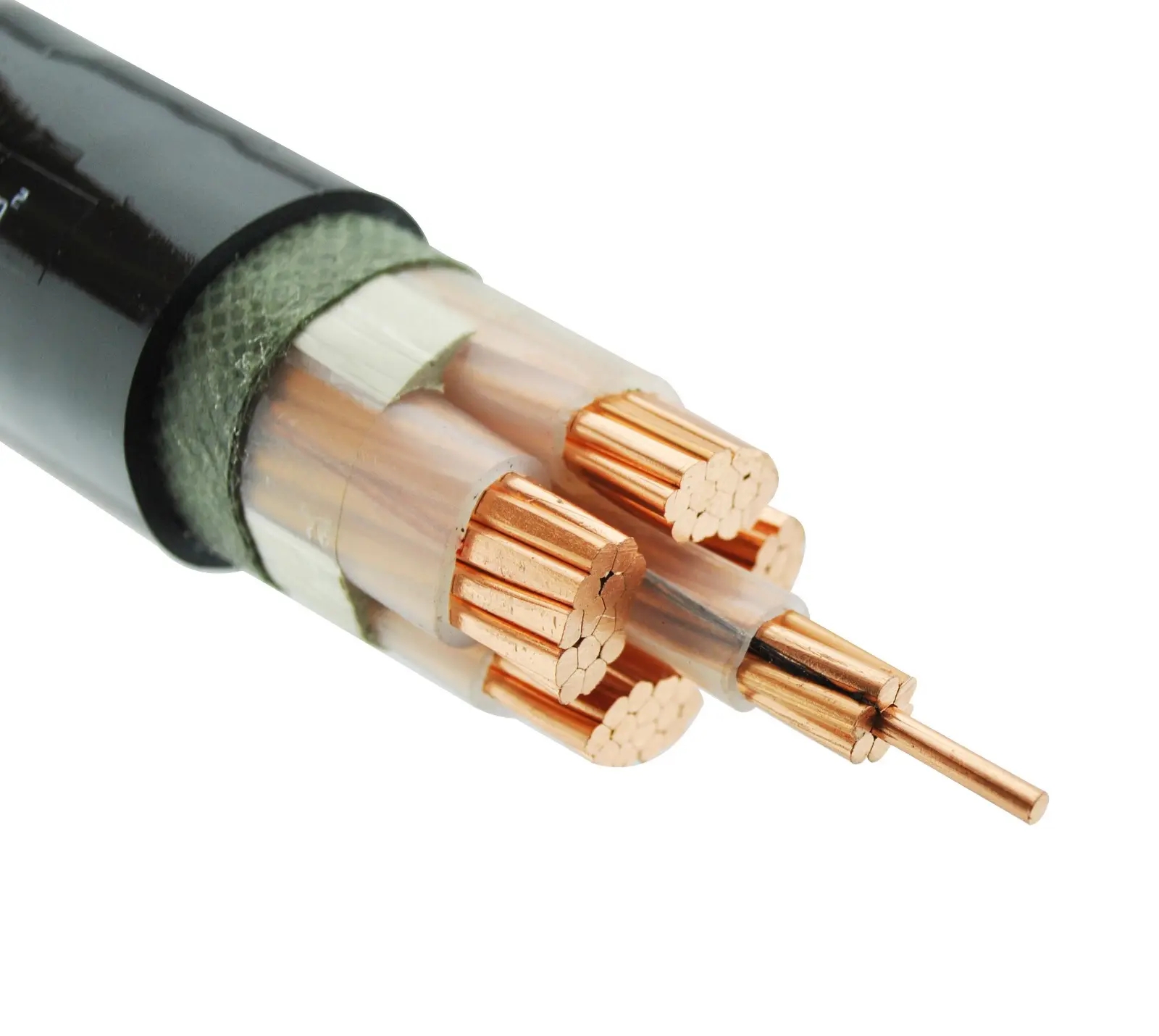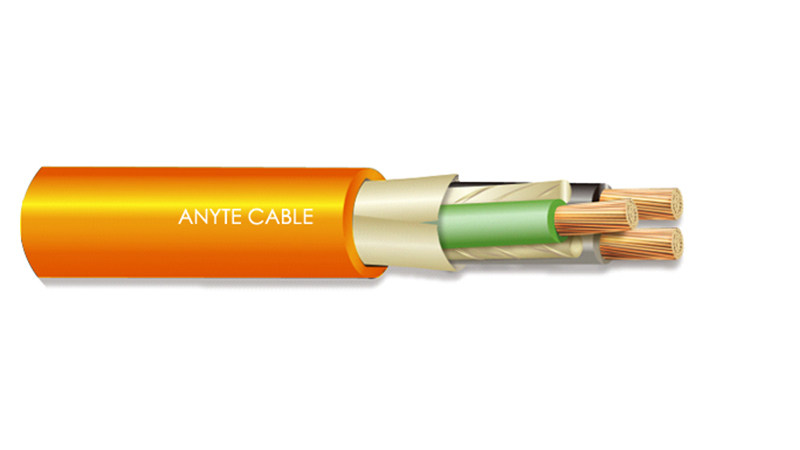
In the modern manufacturing industry, machine tools play a central role as the backbone of production. Beyond the mechanical structure itself, another crucial element ensures the machine’s performance, safety, and durability: the electrical system. At the heart of this system lies the Machine Tool Wire (MTW). These wires not only carry electrical power and signals but also withstand the demanding conditions of industrial environments.
The following detailed explanation will examine the definition, properties, applications, comparison with ordinary wires, industry standards, different types, selection guidelines, maintenance, and future trends of machine tool wires. The aim is to provide designers, engineers, technicians, and decision-makers with a comprehensive and practical perspective.
Definition of Machine Tool Wire
Machine Tool Wire (MTW) refers to a class of electrical wire specifically designed for use in machine tools, electrical cabinets, and industrial control equipment. Unlike ordinary residential or office wiring, MTW must meet stricter requirements:
-
Mechanical strength: The wire must endure constant bending, vibrations, and friction within a machine.
-
Heat resistance: MTW operates reliably at elevated temperatures under continuous loads.
-
Resistance to oil and chemicals: In a workshop environment, the wire is often exposed to lubricants, cutting fluids, and coolants.
-
Safety compliance: MTW typically meets certifications such as UL, CSA, and IEC, ensuring adherence to international safety standards.
In simple terms, a machine tool wire is a high-performance electrical wire engineered to deliver safe, reliable, and long-lasting power or signal transmission in industrial machinery and automation systems.
Key Characteristics of Machine Tool Wire
What sets machine tool wire apart from household wiring is its ability to thrive in demanding environments. The following features are typically found in MTW:
- High Flexibility
MTW is constructed with fine-stranded copper conductors twisted together, combined with abrasion-resistant insulation materials. This structure makes the wire flexible enough to bend repeatedly, ideal for use in cable tracks, joints, and cabinet wiring. - Heat Resistance
Most MTW products can function within -40°C to +105°C, while some premium models can withstand 125°C or even higher. - Oil and Chemical Resistance
Since machine environments include cutting oils and coolants, MTW insulation materials like PVC, PUR, or cross-linked polyethylene (XLPE) provide strong chemical resistance. - Flame Retardancy
MTW complies with international flame-retardant requirements. Certifications such as UL 1015, UL 1063, CSA, and VDE guarantee that the wire won’t spread fire and, in some cases, produce low smoke and halogen-free emissions. - Long Service Life
Compared with standard wires, MTW delivers greater durability, especially in high-cycle, repetitive motion scenarios.

Application Fields
Thanks to its superior qualities, machine tool wire is widely used across diverse industrial sectors:
-
Machine tools: CNC lathes, milling machines, grinders, and drilling machines.
-
Electrical control cabinets: Power distribution and signal wiring.
-
Industrial robots: Power and signal cables for robotic arms.
-
Conveyor systems: Used in automated production lines, packaging machines, and printing presses.
-
Elevators and cranes: Where frequent bending and strong durability are essential.
Essentially, MTW serves wherever industrial systems demand flexible, heat-resistant, oil-resistant, and long-lasting electrical connections.
Machine Tool Wire vs. Ordinary Wire
The following table summarizes the core differences:
| Comparison Aspect | Ordinary Wire (Household/Office) | Machine Tool Wire (MTW) |
|---|---|---|
| Application | Residential, office use | Industrial machines, automation |
| Flexibility | Standard, limited bending | High-flexibility, fine-stranded |
| Temperature Range | 0°C – 70°C | -40°C – 105°C (or higher) |
| Oil Resistance | Poor | Excellent |
| Abrasion Resistance | Weak | Strong |
| Certifications | Local standards (e.g., CCC) | UL, CSA, VDE, IEC, RoHS |
| Service Life | Medium | Long-lasting, millions of bending cycles |
This comparison shows why MTW is indispensable in industrial environments.
Standards and Certifications
Machine tool wire is regulated by a variety of international standards. Compliance ensures safety, reliability, and global market access:
-
UL (Underwriters Laboratories, U.S.): UL 1015, UL 1063 are common benchmarks in North America.
-
CSA (Canadian Standards Association): Required for Canadian market entry.
-
IEC (International Electrotechnical Commission): Widely adopted across Europe and beyond.
-
VDE (Verband der Elektrotechnik, Germany): A high-level safety certification for European applications.
-
RoHS & REACH: Environmental compliance restricting hazardous substances.
For manufacturers targeting global exports, adherence to these certifications is not optional but essential.
Common Types of Machine Tool Wire
Machine tool wires come in various categories tailored to their applications:
-
Power cables: For motors, drives, and power distribution.
-
Control cables: For cabinet wiring, PLC connections, and low-voltage signaling.
-
Drag chain cables: Specially designed for repetitive dynamic bending, capable of over five million flex cycles.
-
Servo cables: For CNC machines and robotic arms, linking servo drives with motors.
-
High-temperature cables: Suitable for furnaces, metallurgy equipment, and environments exceeding 125°C.
Selection Guidelines for Machine Tool Wire
Choosing the right MTW involves balancing several factors:
-
Electrical requirements: Voltage rating, current capacity, and signal integrity.
-
Mechanical needs: Degree of flexibility, bending cycles, and abrasion resistance.
-
Environmental conditions: Presence of oil, chemicals, dust, or extreme temperatures.
-
Safety standards: UL, CSA, IEC, and customer-specific certifications.
-
Service life expectations: Replacement cycles, downtime costs, and reliability requirements.
Example: For a CNC machining center servo motor, a high-flex servo cable is the best choice; for control cabinet wiring, standard MTW suffices.
Maintenance and Care of Machine Tool Wire
Even with high durability, MTW benefits from regular upkeep:
-
Routine inspections: Look for cracks, wear, or exposed conductors.
-
Avoid overstretching: Provide slack during installation.
-
Proper routing: Maintain minimum bend radius, avoid sharp edges.
-
Clean environment: Reduce buildup of dust and oil residues.
-
Timely replacement: Replace aging or hardened wires before failure.
Proactive maintenance extends lifespan and reduces costly downtime.
Future Trends in Machine Tool Wire
With the rise of Industry 4.0 and smart factories, machine tool wire is evolving:
-
Higher flexibility and longer life: Supporting robots and automated production lines.
-
Lightweight and eco-friendly materials: Halogen-free, low-smoke compounds promoting sustainability.
-
Smart cables: Embedded sensors that monitor temperature, current, and cable health.
-
Standard harmonization: Gradual convergence of UL, IEC, and VDE to simplify global compliance.
Machine Tool Wire (MTW) may look like a small and simple component, but it is indispensable in industrial automation and machine tool systems. Its flexibility, heat resistance, oil and abrasion protection, international certifications, and long service life make it far superior to ordinary wires.
From CNC machines to robotic arms, from electrical cabinets to conveyor systems, MTW ensures operational stability, worker safety, and cost-effectiveness. Correct selection and proper maintenance of these wires not only boost equipment performance but also reduce downtime and replacement costs.
Looking ahead, MTW will continue evolving toward smarter, more sustainable, and globally standardized solutions, playing a critical role in advancing intelligent manufacturing.